


The Danger of ‘Doing’ for the Lord Before ‘Being’ in the Lord
The idea for this post stems from a conversation that I had with a few of my friends. I hope that this blog would serve you, if you’re suffering from the same struggle.
Many Christians do not struggle with inactivity. They struggle with restlessness. They serve, plan, volunteer, teach, and lead. Yet somewhere beneath the movement, there is a quiet sense of strain. Ministry continues, but joy weakens. Faithfulness is visible, but peace feels thin. This experience raises a difficult question, one most believers do not ask out loud:
Is it possible to do many things for the Lord while slowly losing one’s sense of life in the Lord?
Scripture helps us answer this by reordering how we think about the Christian life. The Bible does not begin with what believers are expected to do. It begins with where believers are placed. Again and again, Christians are described as those who are “in the Lord.” Paul writes, “If anyone is in Christ, he is a new creation” (2 Corinthians 5:17). This language shows that before action, there is union; that before mission, there is belonging.
The difficulty is that this order is easy to reverse. Doing feels tangible. Being feels quiet and unseen. Over time, service can become the way we reassure ourselves that we are faithful. Slowly, without intention, the centre shifts. Communion gives way to productivity. Relationship gives way to responsibility. What once flowed from love begins to depend on effort.
Scripture consistently resists this shift. Paul reminds believers that their life is not self-generated. “For you have died, and your life is hidden with Christ in God” (Colossians 3:3). That sentence quietly dismantles a performance-driven faith. If life is hidden in Christ, then strength does not come from within us. It comes from where we are located. The Christian does not act in order to secure life with God. The Christian acts because life has already been given.
When doing replaces being, ministry becomes heavy. The believer begins to rely on discipline alone. Service turns inward, sustained by fear of failure or desire for approval. Scripture describes this condition with painful clarity. Jesus says, “Apart from me you can do nothing” (John 15:5). Notice that He does not say very little. He says nothing. The issue is not sincerity or effort. It is separation from the source.
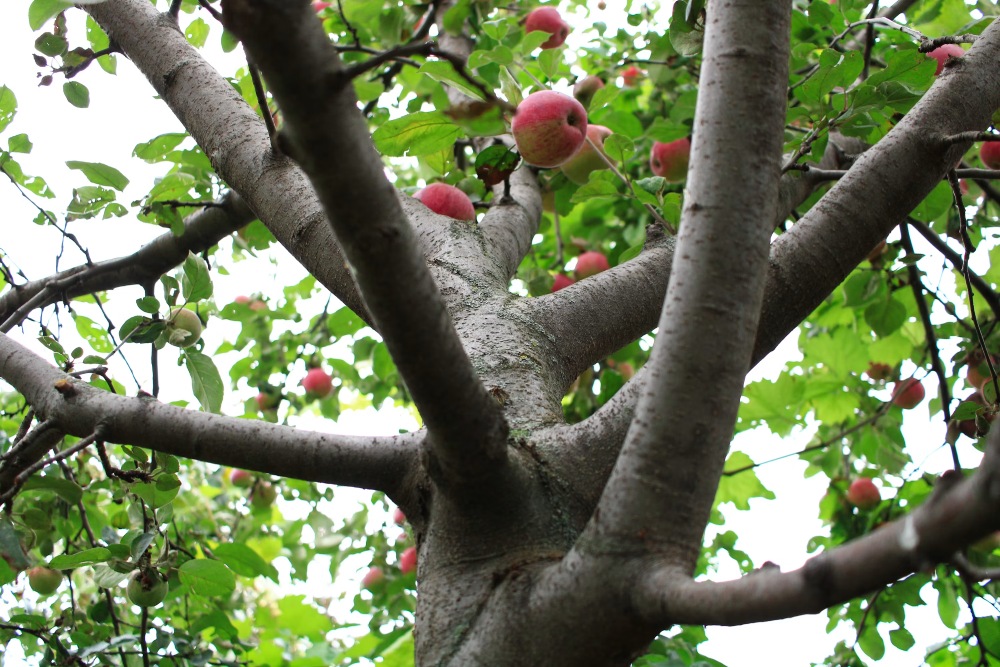
Jesus’ teaching in John 15 reframes productivity altogether. “Whoever abides in me and I in him, he it is that bears much fruit” (John 15:5). Fruit is not demanded as proof of worth. It is described as the outcome of abiding. Branches do not work harder to bear fruit. They remain attached.
This does not mean that obedience is optional or that service is secondary. Scripture never separates faith from action. Paul can urge believers to “abound in the work of the Lord” (1 Corinthians 15:58). Yet the same Paul grounds all obedience in grace. “It is God who works in you, both to will and to work for his good pleasure” (Philippians 2:13). Doing matters. But it matters because of what God is already doing within the believer.
Doing matters. But it matters because of what God is already doing within the believer.
When being in the Lord comes first, doing for the Lord changes in character. Service is no longer driven by anxiety. It becomes patient. It becomes durable. It is less reactive and more faithful. The believer is not constantly measuring outcomes, because worth is no longer at stake. Paul captures this freedom when he writes, “The love of Christ controls us” (2 Corinthians 5:14). Control here is not pressure. It is direction. Love moves the believer outward without hollowing the soul.
This distinction also reshapes how Christians serve one another. Ministry fuelled only by activity often becomes sharp and tired. Ministry fuelled by abiding grows gentler. It listens better. It endures disappointment without turning bitter. The difference lies not in skill, but in source.
Scripture does not call believers to withdraw from service. It calls them to return to the centre. Jesus does not say, stop bearing fruit. He says, “Abide in me” (John 15:4). The invitation is relational before it is instructional. The Christian life flourishes not when doing is intensified, but when being is recovered.
Subscribe to this blog for a weekly thought-provoking article that will bring you closer to God!
The question, then, is not whether we are serving enough. The deeper question is, where is our serving coming from? Are we acting to sustain our faith, or are we acting because faith is sustaining us? The gospel insists on one clear order. We live in the Lord. From that life, we serve the Lord and His people.
Ministry, any ministry, bears much fruit when the act stems from the relationship of the believer and the Lord. Hence, ministry is an overflowing of the love for the Lord.
God bless you!